

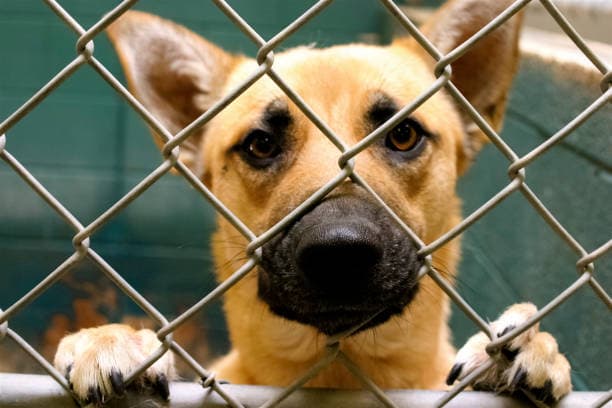
Abandonment rarely looks like a villain in a film. It looks like a move across town with a landlord who forbids pets. It looks like a new baby, a lost job, a divorce, a sudden allergy, a dog who grew bigger than the apartment. It looks like a kitten left in a cardboard box because someone assumed “someone else will take it.” The animal does not understand the paperwork. They only understand that the door closed and the familiar voice never came back.
Inside a shelter, time is not soft. It is inventory. Every day an animal stays is a day another animal cannot enter. Kennels fill. Staff stretch thinner. Behaviour frays under fluorescent lights and the smell of disinfectant. A dog who arrived hopeful starts pacing. A cat who arrived quiet stops eating. The longer the stay, the harder the adoption. and the closer some facilities get to the decision no one wants to say out loud.
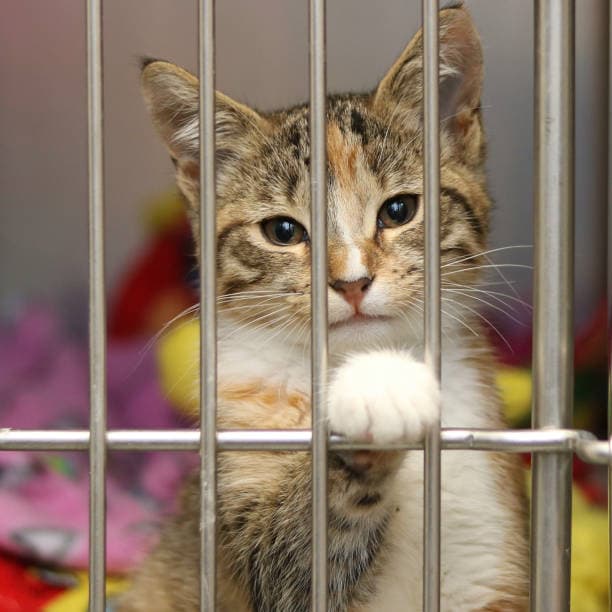
That decision is euthanasia for space. Not because the animal is broken beyond healing, but because the building is full and tomorrow’s intakes will not wait. In the United States, national estimates for 2025 put roughly 5.8 million dogs and cats entering shelters and rescues, and about 597,000 euthanized. still hundreds of thousands of lives ending inside the system meant to save them (Shelter Animals Count). Animals still in care have been waiting a median of roughly 43 days for cats and 47 for dogs, with large dogs moving slowest of all (mid-2025 capacity analysis). Longer stays are not a neutral waiting room. They are a pressure cooker.
Across Europe, there is no single EU dashboard . which is part of the tragedy. Fragmented numbers still add up to an estimate of over 100 million abandoned and homeless companion animals (ESDAW). In the UK, local authorities still put a meaningful share of stray dogs to sleep; the Dogs Trust Stray Dog Survey 2025 reports about 9% of dogs with known outcomes were put to sleep in 2024–25. Elsewhere, “no-kill” laws. like Portugal’s ban on euthanizing healthy animals for space (documented in shelter research). save lives and also reveal the next crisis: shelters that cannot empty fill until welfare itself collapses. Holding periods of a week or two in some systems can become a quiet deadline for animals nobody claimed (EU Animal Welfare Intergroup).
In Asia, official counts are rare, which does not mean the suffering is. Japan’s Ministry of the Environment still publishes hard numbers: in fiscal 2024, about 39,400 dogs and cats were taken into government facilities, and roughly 6,830 were recorded as disposed of. including euthanasia and related categories (MoE statistics; summary via EVA). Those figures are far lower than decades ago. progress built on sterilization, surrender limits, and public pressure (Japan Today overview). Outside Japan, free-roaming populations dwarf shelter capacity. Estimates often place India’s homeless dogs and cats near 80 million. a scale at which “adopt them all” is not a plan, and overcrowded holding can still end in killing when cities run out of room.
Read those numbers slowly. Behind every thousand is a face that waited by a door. Behind every median day is a night spent listening for footsteps that never arrived. Behind every euthanasia for capacity is a staff member who went into animal welfare to heal, not to choose which life leaves the building so another can enter.
animalbid.lol will not fix this alone. A leaderboard cannot empty a pound. But every payment on the board is for visibility. not a donation. and a reminder that pets are not disposable content. Each month, a portion of our revenue goes to charities. If you feel something reading this, that is the point. Feel it, then act: adopt, foster, sterilize, donate to a local shelter, keep your own animal through the hard seasons, and never treat a living being as furniture you can leave on the curb.
They did not ask to be ranked. They asked to be kept. Until every street is quieter and every cage is empty for the right reasons, we owe them at least this much honesty. and whatever portion of our luck we can share.